the wine-growing estate

<p>Buying directly is usually a little cheaper than going through a merchant, you get a better range of wines and may also develop a relationship with the winemakers/owners. Altogether: highly recommended!</p>

<p>Below are the wines that we bought directly from a wine-growing estate. Below the descriptions you will find the name of the estate listed as the first tag.</p>

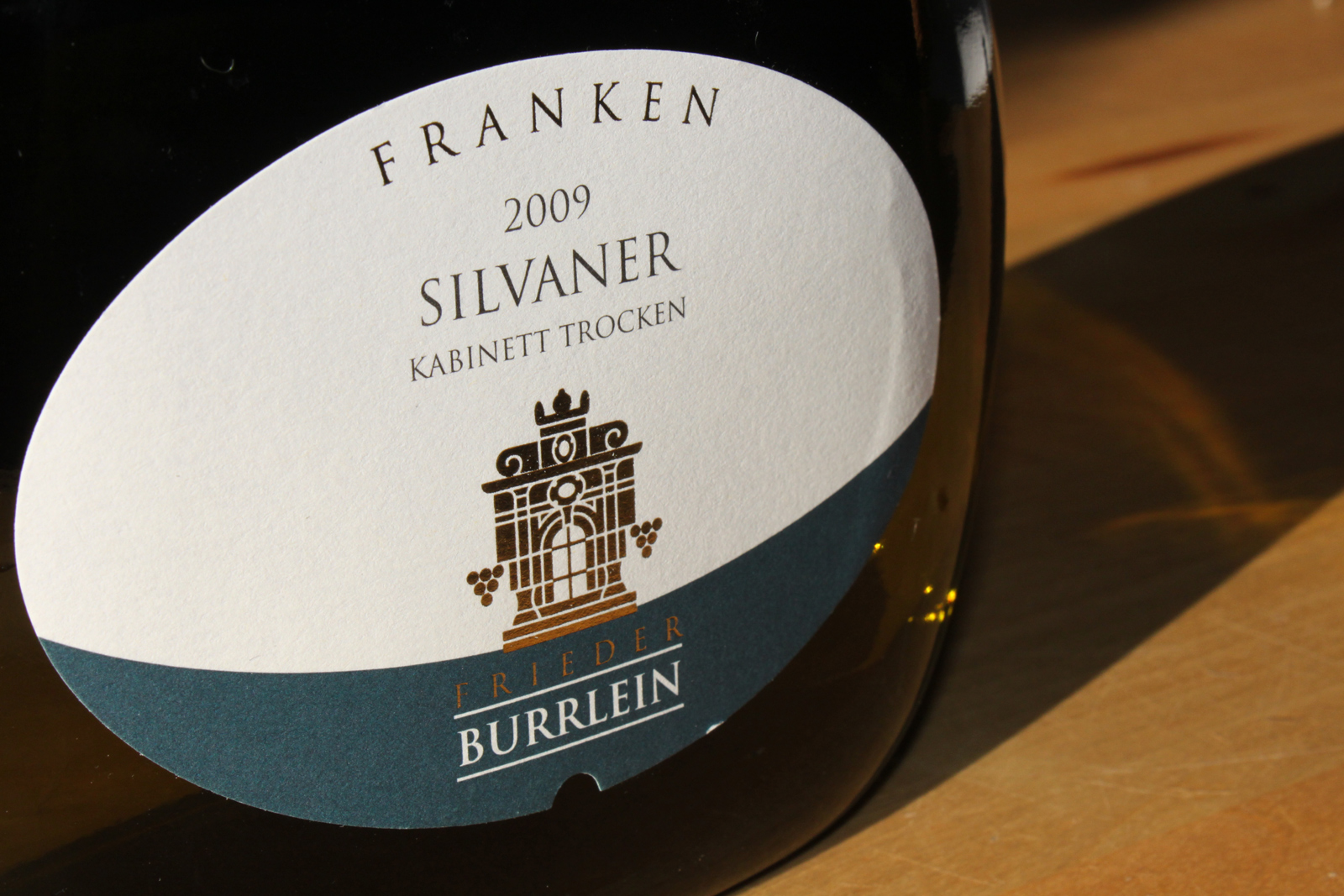
Winzerhof Burrlein, Mainstockheimer Hofstück, Silvaner Kabinett trocken, 2009

If I am not mistaken, our readers have had to go without Wine Rambler Silvaner coverage since August 31. That is clearly unacceptable and will be remedied as follows ("quickly and unbureaucratically", as german public officials are fond of saying): The Burrlein winery of Mainstockheim, which we have already featured as part of our Müller-Thurgau report, has consistently turned out over-achieving quality Silvaners to its large customer base these last few years. Has it delivered again?
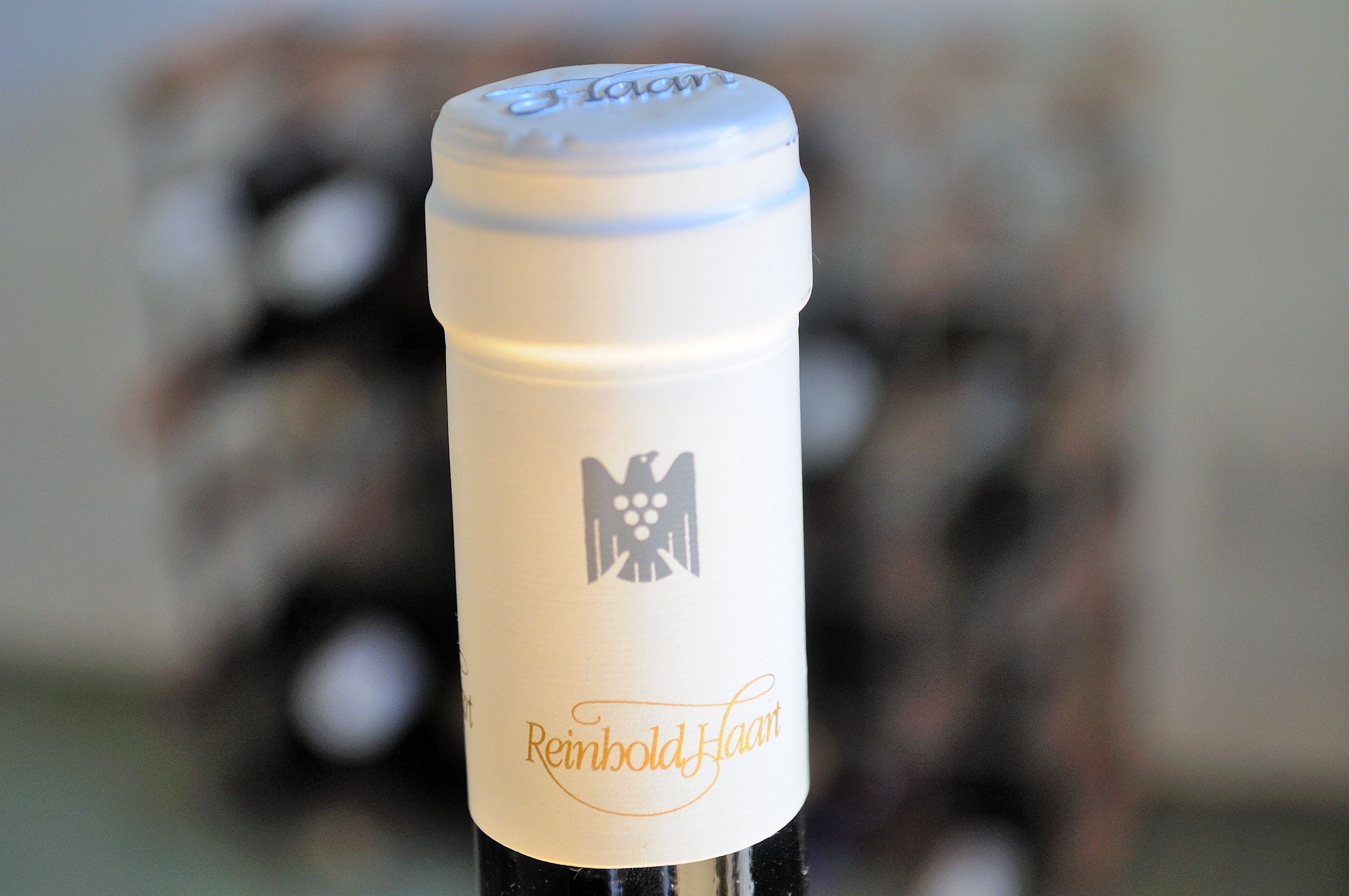
Reinhold Haart, Piesporter Goldtröpfchen, Riesling GG, 2008

For over 700 years the Haart family has been making wine in the Mosel valley village of Piesport. While I have no idea what wine they may have grown in the middle ages, these days it is exclusively Riesling - and most of it is sweet or off-dry. A small percentage of the wines are dry though, and this Great Growth (GG) is the top dry wine from the famous Goldtröpfchen (=little drop of gold) vineyard.

The colour is a clear, strawish yellow, more on the gold-dark side perhaps. The nose features cool mineral, herbs (more on the sage-mint side) and a hint of petrol (that almost disappeared on the second day).

Heiner Sauer, Gleisweiler Hölle, Riesling Kabinett trocken, 2009

After exploring in some depth the potential and perception of residually sweet Riesling, we turn, very briefly, to a style of the variety that is hardly known or appreciated outside of Germany: light, basic range dry Riesling. That type of working man's white is most reliably produced not along the more glamorous Mosel, but in down-to-earth Pfalz (the Palatinate), where vineyards are less capriciously steep and the climate more dependable, and it goes by the name of Kabinett trocken. Almost every half-decent winery there produces a few of those from different vineyards, and almost every inhabitant of the region will have one on their dinner table - almost every day.

Weingut Ziereisen, Spätburgunder 'Tschuppen', 2007

Ziereisen time here at the Wine Rambler, and with that, a kind of follow-up on the theme of food friendly wines raised by the Wine Rambler's very recent report on Long Island wine growing. While Hanspeter Ziereisen's reputation was largely made by the massive and impressive 03 and 04 vintages, it is not as well known that he has since changed his style completely. Bored by what he came to see as the overconcentration and vacuousness of the "big red"- style he was then aiming for, he decided he would henceforth make the Pinot that he himself likes: Lithe, drinkable, and yes: food friendly. Avantgarde burgundian. In fact, judging by the wine under review, it's not much of an exaggeration to call Ziereisen a one-man french revolution in german Pinot.

Reinhold Haart, Piesporter Spätlese, Riesling, 2003

New York City is hipster territory - or at least that is the message it is trying very hard to project during my current visit. Interestingly, most things German do seem to be considered hip, especially German beer culture. The Lower East Side for instance welcomed me with German brass music, schnitzel and beer served by busty wenches dressed in pseudo Bavarian outfits. German Riesling, it turns out, is also very popular among the cool wine kids here, so it was quite fitting I brought one over to share with my host: a late harvest Riesling made by one of my favourite producers at the Mosel, Theo Haart. Usually, I would have opted for a Haart Riesling from one of the famous vineyards such as Piesporter Goldtröpfchen, but a few years ago I came across this late harvest from several vineyards around Piesport, which to me seemed almost more interesting than some of the wines from the top sites. Did it hold up as well as Haart's premier wines though, I wondered, or were we in for a disappointment?

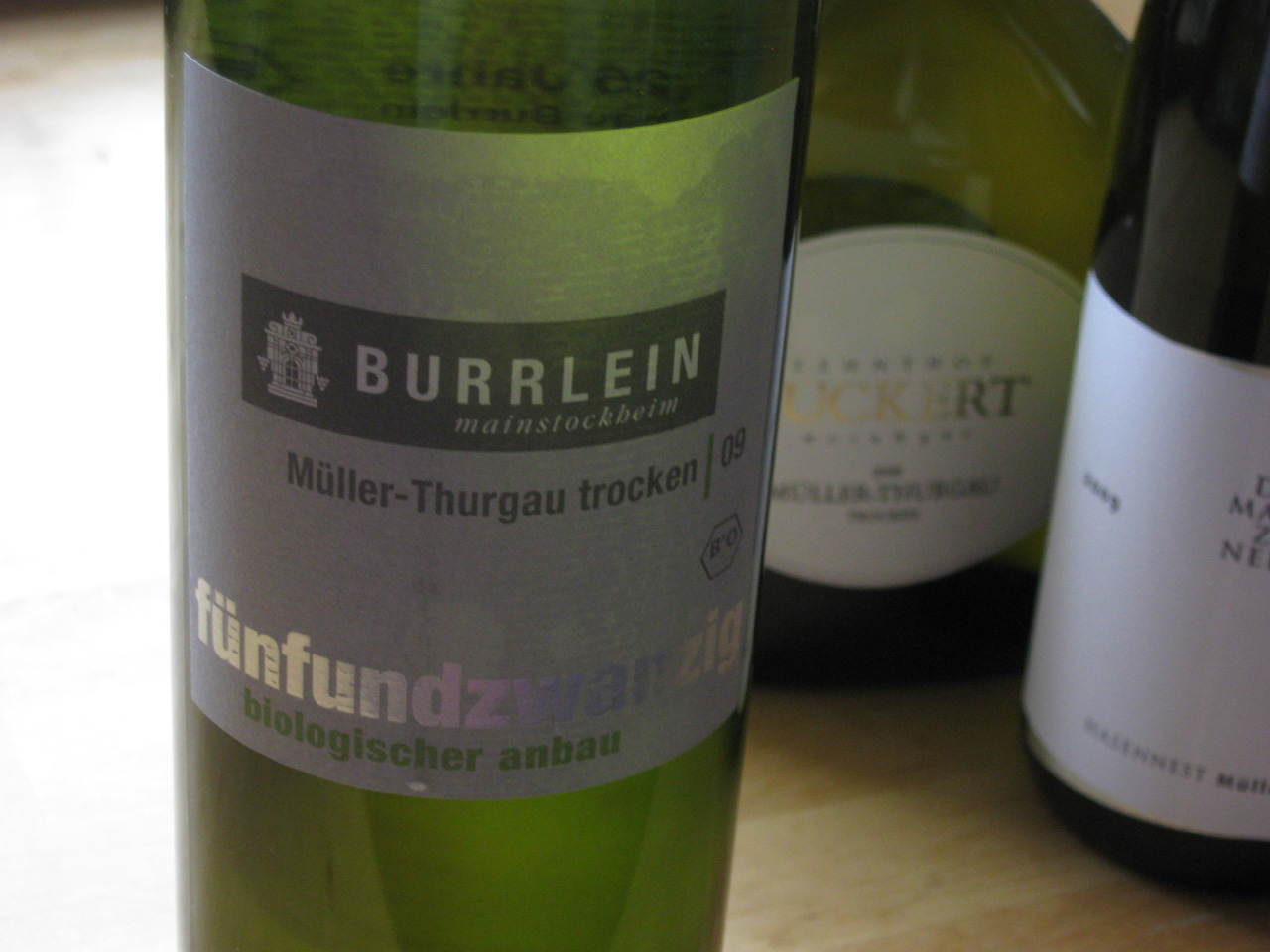
Winzerhof Burrlein, Mainstockheimer Hofstück, Müller-Thurgau trocken, 2009

Reviewed in our Müller-Thurgau report:

Straw-coloured, this smells sweetly, and even somewhat exuberantly, of sweet apples and peaches, with some canned fruit salad and the faintest touch of Ingwer. Not a miracle of mineral depth, but so far, we're having fun.
The same kind of in-your-face fruit reappears on the palate, and now there is even a hint of minerality. But still, there is more fruit than there is structure, with a finish that is herbally sweet, but also a little watery.

Julian Saturday, 02/10/2010

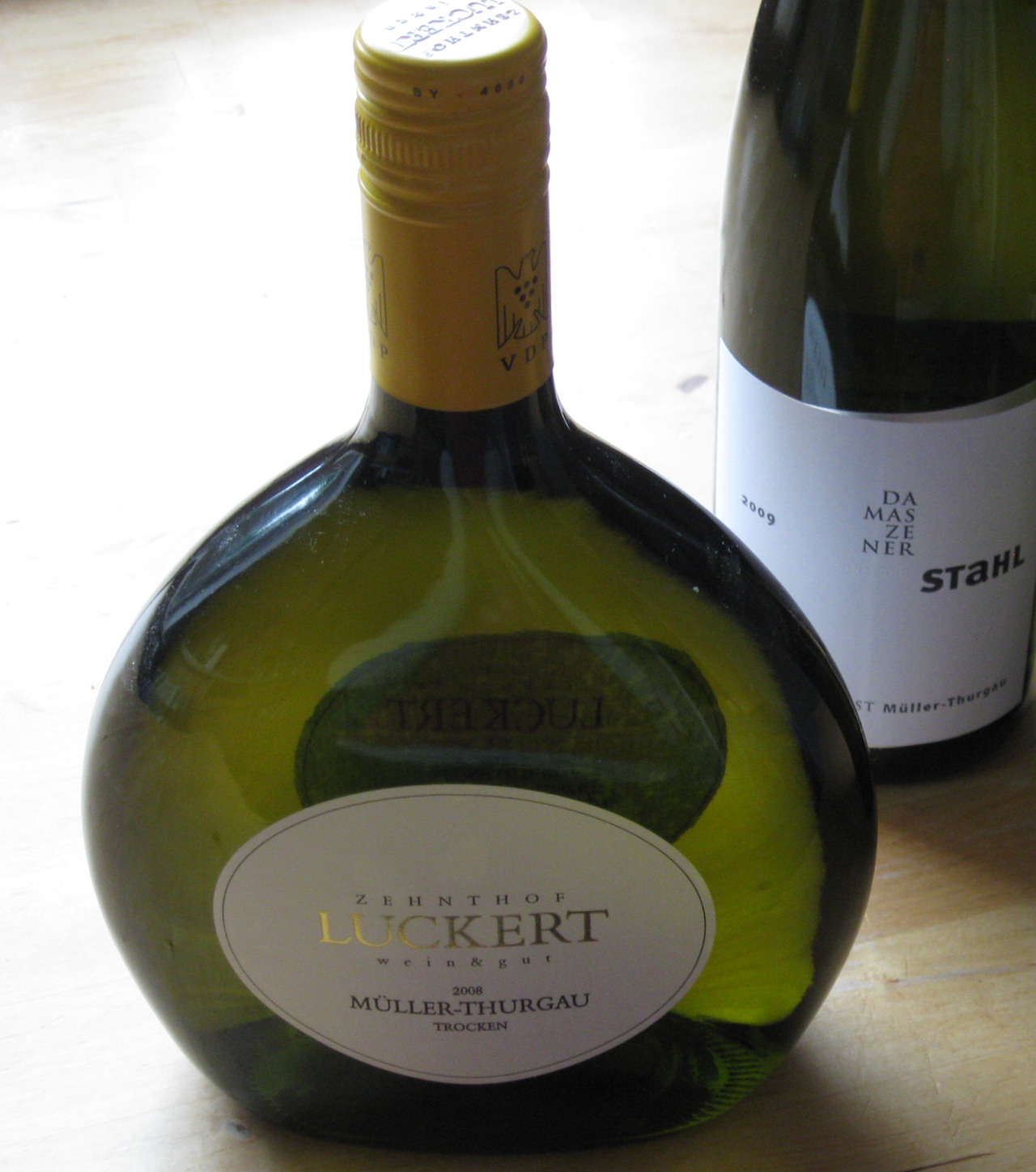
Zehnthof Luckert, Sulzfelder Cyriakusberg Müller-Thurgau trocken 2008

Reviewed in our Müller-Thurgau report, and updated accordingly:

Light straw colour

Smells like ripe apples, sliced raw Kohlrabi (cabbage turnip?) and maybe a little freshly cut grass. In the mouth, mild acidity, again ripe apple fruit and an earthy, limestony kind of minerality.

Quite an achievement for Luckert to get such power and relative depth out of a grape variety otherwise known for high yields and little character. It could easily pass for a dry Silvaner Spätlese, both in taste and in substance.

If you

a) have had a Silvaner from Franken before and liked it,

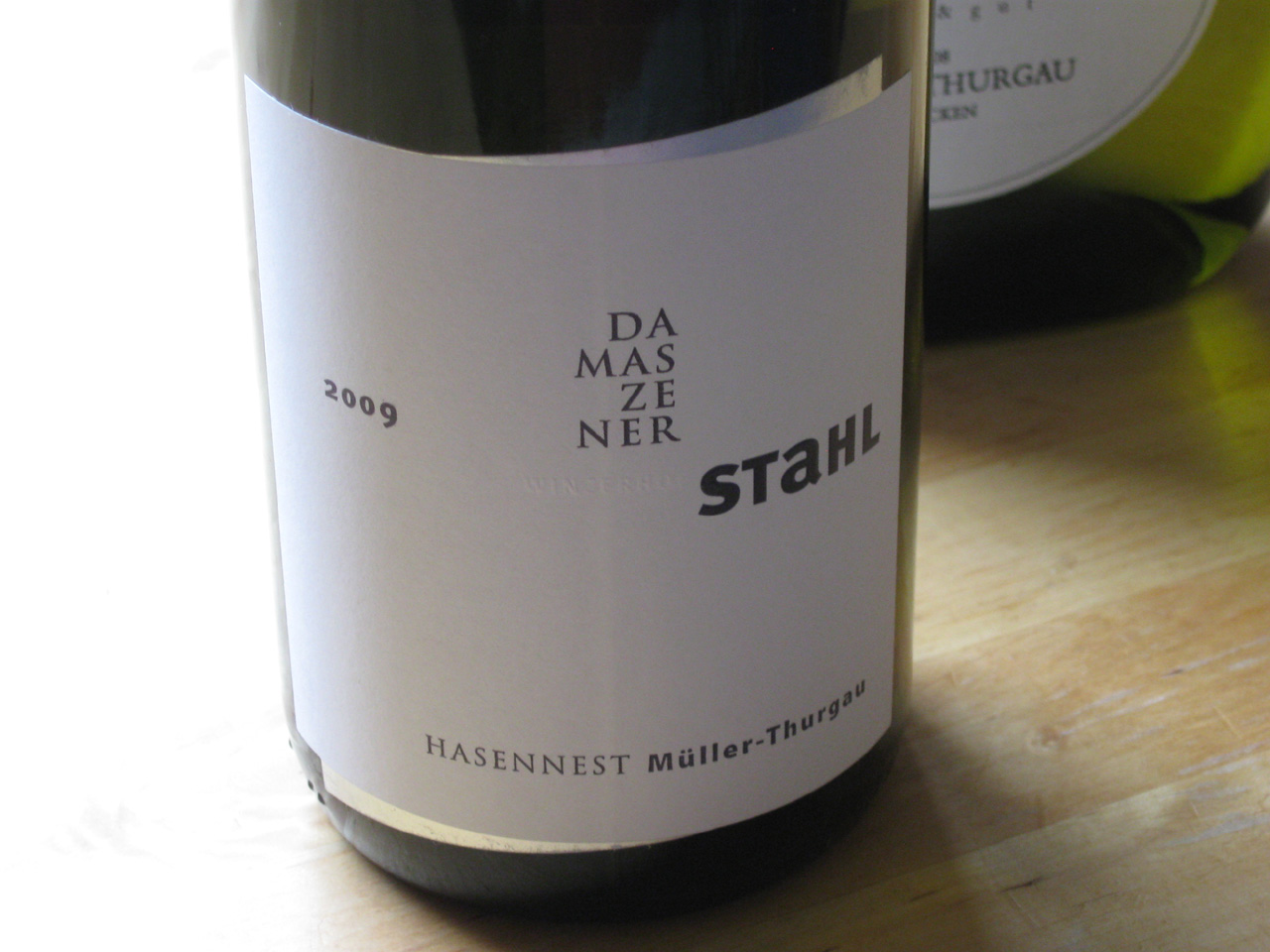
Winzerhof Stahl, Müller-Thurgau Hasennest "Damaszenerstahl", 2009

Reviewed in our Müller-Thurgau report:

This single-vineyard Müller Thurgau from Stahl's nicely named Hasennest ("hare's nest") vineyard smells of hay, dried herbs, apples and what I always think of as chalk. Yeast and carbonic acid still dominate the palate a bit too much at this point, but behind that white vegetables (celery root, cabbage turnip, radish), beeswax and herbs are lurking - and stay for the finish, which is quite long.

Julian Saturday, 02/10/2010

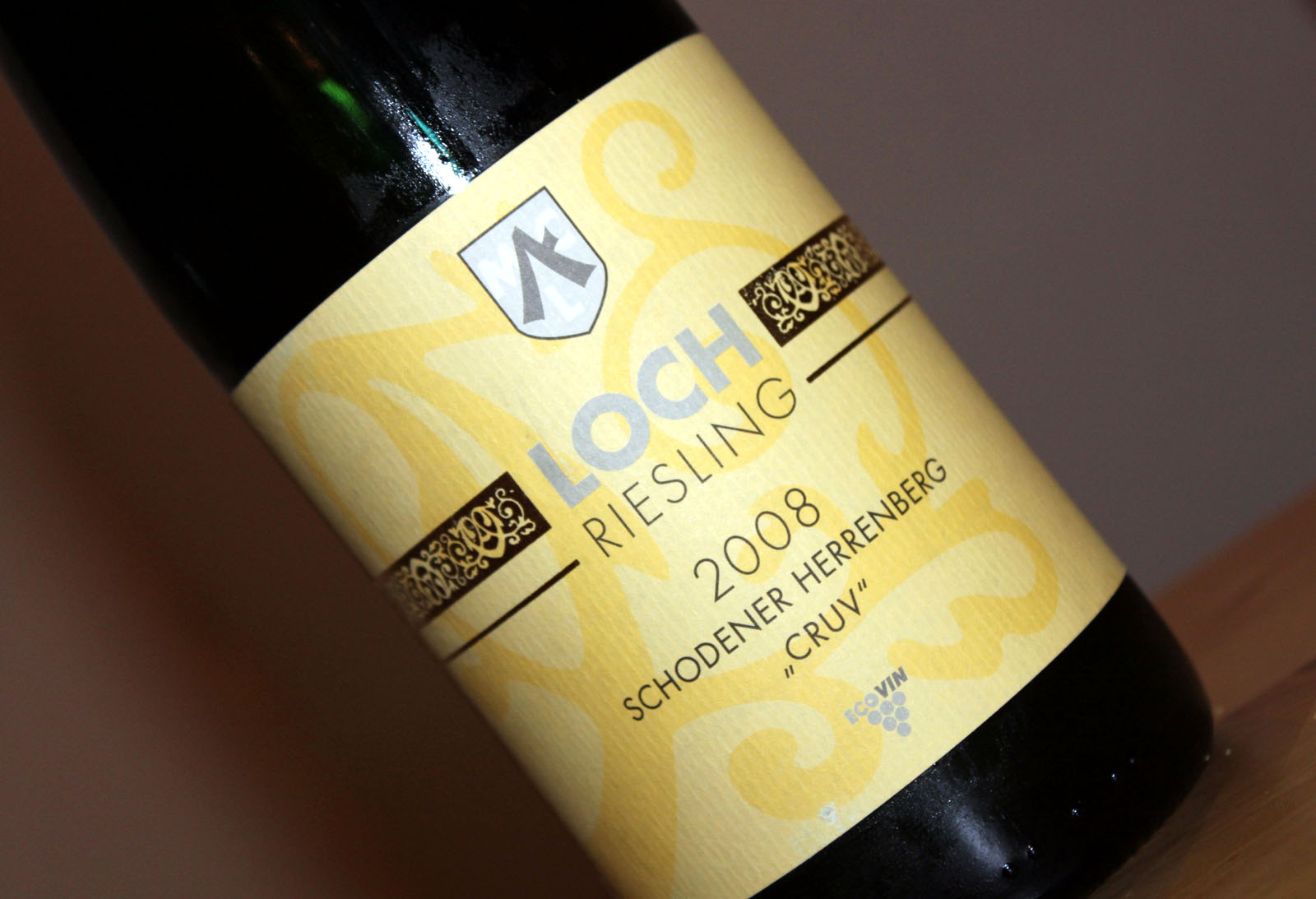
Weinhof Herrenberg, Schodener Herrenberg, Riesling "Cruv", 2008

Weinhof Herrenberg is Claudia and Manfred Loch's place, a tiny winery with just two hectares in Schoden on the River Saar that they have built up more or less from scratch, plot by plot, and with somewhat precarious resources. This is a very different history from the Van Volxem enterprise, which came with heavy investment, grander plans and more ambitious marketing from day one. Still, both outfits share some similarities. Both were willing to look beyond the winemaking traditions of the last few decades. Both managed to create a new kind of Saar Riesling that was actually a recreation of the pre-1950s style: Ripe wines with more powerful fruit and less prominent acidity than has been, and still is, "traditional" on the Saar. With their enthusiasm and nonconformism they have, between them, managed to break open the wine scene on this Mosel tributary, which had been dominated by an establishment of aristoricatic estates with a somewhat patrician attitude. High time we had a closer look at what Herrenberg has to offer, then, and we'll start with one of their mid-range dryish Riesling (they only make Riesling):